DIY #2: Bridging the Divide: Addressing Political Polarization in America
In recent years, the United States has witnessed a growing rift in political ideologies, creating a nation more divided than ever. Social polarization, particularly in the political realm, has permeated communities, workplaces, and even families, turning discussions into battlegrounds rather than platforms for understanding. This increasing divide threatens not only the social fabric of the country but also its ability to tackle pressing issues effectively. In order to have a more united and hopeful future for our country, it is crucial to understand the roots of polarization and seek ways to heal the divide.
Political polarization has deepened due to several factors, including the rise of partisan media, social media algorithms, and cultural shifts. Partisan news outlets often present skewed narratives that reinforce existing beliefs, while social media platforms amplify echo chambers by promoting content that aligns with users’ preferences. These dynamics create a reality where individuals are exposed primarily to ideas they already agree with, leading to a lack of empathy and understanding for opposing viewpoints. Cultural and economic divides contribute to the chasm. Urban and rural communities often experience different challenges and priorities, leading to distinct political leanings. Economic inequality exacerbates these divides, as people blame opposing parties for their struggles. This “us vs. them” mentality fosters distrust, further entrenching polarization.
The consequences of political polarization are profound. Legislative gridlock has become a norm, as politicians prioritize party loyalty over bipartisan collaboration. Critical issues such as climate change, healthcare reform, and social justice are left unresolved, harming communities across the nation. Moreover, the divide has seeped into personal relationships, with family gatherings and friendships often marred by political disputes. Social polarization also weakens national resilience. In moments of crisis, such as the COVID-19 pandemic, differing political ideologies influenced public health responses and compliance, leading to preventable loss and prolonged recovery. This inability to come together during times of need underscores the urgent necessity of addressing polarization.
Reversing social polarization requires collective effort and a commitment to fostering understanding. At the heart of reducing polarization is the need to encourage open dialogue. Instead of avoiding politically charged discussions, individuals must approach them with curiosity and a willingness to listen. This means seeking to understand the values and concerns that underpin opposing views rather than focusing solely on disagreements. Similarly, media literacy plays a critical role in mitigating polarization. Teaching individuals to critically evaluate news sources and exposing them to multiple perspectives can break echo chambers and reduce the spread of misinformation, fostering a more informed citizenry.
Moreover, focusing on shared goals is vital. Despite political differences, Americans universally aspire to economic stability, safe communities, and quality education. Highlighting these shared priorities can help pave the way for collaborative solutions. Local initiatives offer another pathway to unity. Grassroots efforts that address tangible community needs often transcend political divides, reminding people of their shared humanity and common goals. Volunteering and participating in such efforts can build bridges within communities. On a larger scale, encouraging bipartisanship by supporting leaders who prioritize collaboration over partisan loyalty can reshape the political landscape toward one that values unity over division.
Social Polarization – How do societies become divided and violent?
Politics are Polarized, But Not for the Reason You Think | Robert Reich
What can be done about polarization in the United States?
That Open Secret About Political Polarization | Jake Teeny | TEDxEvanston
Jane Mansbridge: 3 Causes of Polarization
What is Polarization (in social psychology)?
Social Polarization Explained: The Hidden Forces Dividing Society
Reclaiming Our Power to Heal the Polarization Poisoning Our Conversations
How to Overcome Political Polarization in 5-Minutes
DIY #1: Crossing Divides: Inequality in Today’s Society
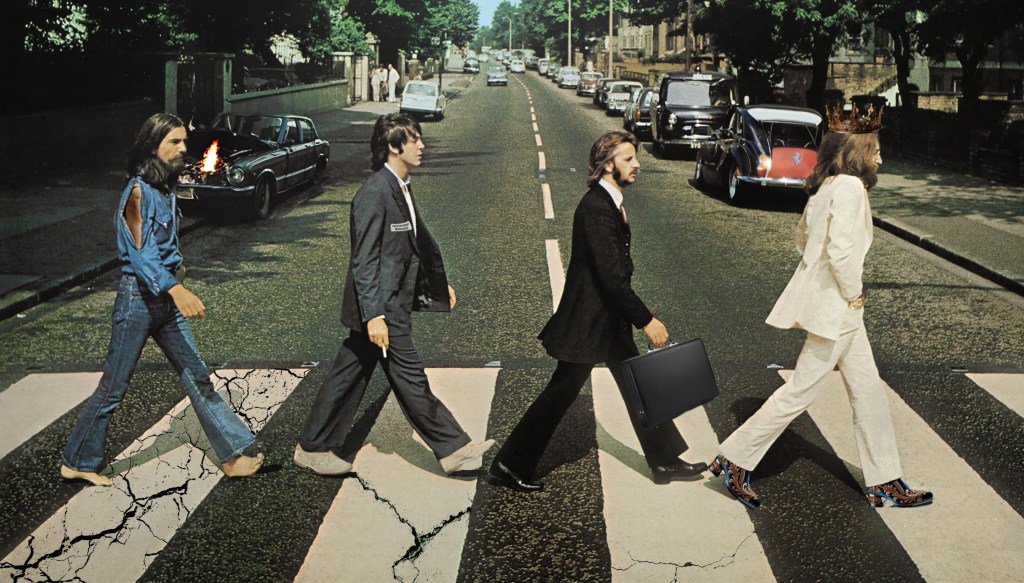
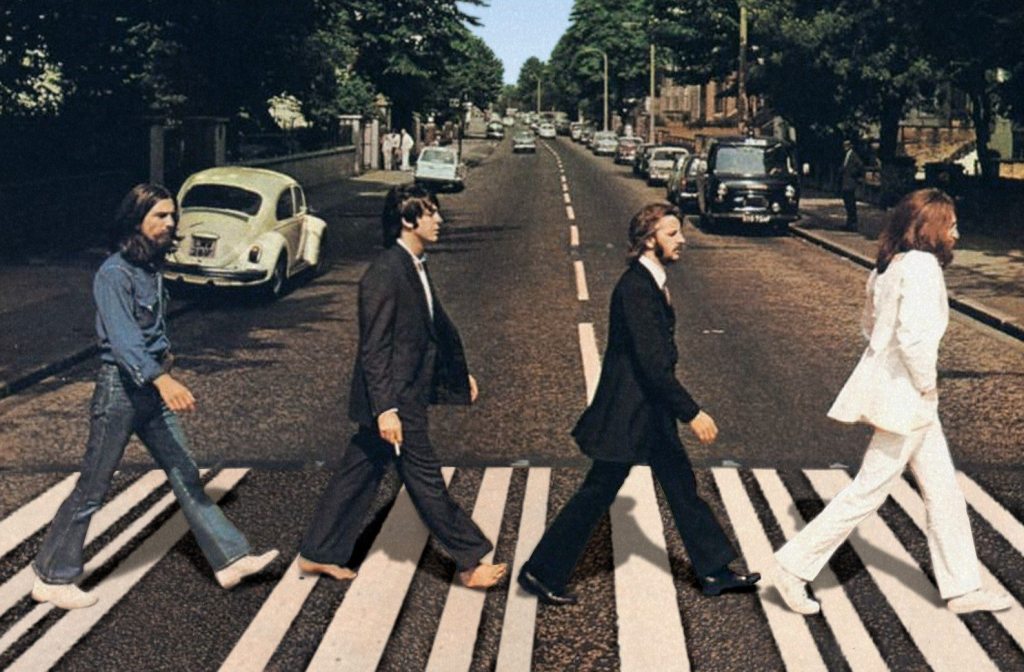
The manipulated crosswalk and background elements further enhance the image’s message. The crosswalk is unevenly divided, with the wealthy figures walking on a clean, smooth section while the side near the impoverished individual is cracked and decayed, symbolizing unequal access to resources and opportunities. On the wealthy side, luxury cars and a clean walkway represent privilege and concentrated power, while on the impoverished side, burning cars and broken pavement reflect systemic neglect and the struggle through basic living needs. The contrasting environments—clean and luxurious spaces on one side, destroyed and difficult areas on the other—underscore the environmental injustice faced by poorer communities. Together, these elements create a powerful visual narrative that critiques societal structures and calls attention to the urgent need for reform in addressing economic inequality, social mobility, and overall aid and justice.
Blog Post #2: A Closer Look at Larry Elder’s Egg Attack Incident: Credibility under the SMELL Test
The recent attack on Larry Elder during his campaign stop in California, where a woman threw an egg at him and allegedly shouted racial epithets, caught the attention of many media outlets, including Fox News. The story, titled “Larry Elder says ‘racial epithets’ were yelled during egg attack, calls out liberal silence,” paints a vivid picture of the event and points to broader political and social implications. Using the SMELL test, let’s evaluate the credibility and reliability of this article.
S: Source
The article is published by Fox News, a well-known news organization with a reputation for conservative-leaning coverage. It’s important to note that Fox News frequently supports right-wing political figures, and Larry Elder, a Republican candidate, aligns with these views. While Fox News is a major outlet, its profit model and editorial stance could influence the presentation of this story. The author, however, is not identified in the article, which raises questions about accountability and objectivity. The information provided in the article heavily relies on Elder’s own statements, without sufficient corroborating sources or witness testimony. For instance, no other sources confirm that racial slurs were used, aside from Elder’s claims.
M: Motivation
Fox News, like any media outlet, has motivations that may affect its reporting. Given its audience and political leanings, the network could be motivated to amplify incidents that portray conservative figures like Elder as victims of liberal antagonism. This can serve both ideological purposes and the commercial interest of attracting a like-minded audience, boosting ad revenue. The article’s tone suggests a focus on condemning the supposed silence of liberal figures, a narrative that fits Fox News’s broader ideological stance. The framing of the event could thus be seen as part of a larger political strategy, rather than an impartial report of facts.
E: Evidence
The article includes few concrete pieces of evidence. It primarily relies on Elder’s own words, stating that “racial epithets” were used during the egg-throwing incident. However, the article does not provide any independent verification or witness accounts to support this serious accusation. There is also no mention of video footage or police reports to substantiate the claim of racial slurs. Without these details, the story feels incomplete and potentially biased. Additionally, the article fails to provide any background on the attacker, leaving readers with a one-sided view of the incident.
L: Logic
While the article logically connects Elder’s claims to broader political themes, such as the “liberal silence” on racially motivated attacks, the lack of corroboration weakens the argument. The article implies that liberals should have condemned the attack, but it does not explore why such condemnation hasn’t occurred, nor does it investigate alternative explanations for the event. This one-sided logic could lead readers to assume a deliberate omission by political opponents without considering other possibilities, such as the incident being an isolated act of protest rather than a racially motivated attack.
L: Left Out
Key pieces of information are noticeably absent in the article. There’s no independent verification of the alleged racial slurs, no description of the broader context in which the incident took place, and no discussion of the attacker’s motivations beyond Elder’s interpretation. Additionally, the article does not feature comments from Elder’s opponents or other political figures, which could have provided a more balanced perspective. Without these elements, the story feels incomplete and skewed towards a particular narrative.
Conclusion: Applying PIE
By examining the Purpose, Information, and Execution of this article, we see that Fox News aims to frame Elder as a victim of liberal bias while drawing attention to the “silence” of his political opponents. However, the lack of verified evidence and the absence of alternative viewpoints limit the article’s credibility. Although the piece successfully captures audience attention by highlighting a dramatic event, its reliance on unverified claims undermines its journalistic rigor. Readers should approach this story with caution, recognizing the potential for bias and incomplete reporting.
Blog Post #1: Media Consumption Log

My Habits: What I Learned
Over the course of the day, I noticed that I primarily consumed media through my smartphone. As the most accessible device, it naturally became the medium for engaging with social media, music, and communication. Whether it was TikTok, Spotify, or messages, I was always consuming something. For instance, I spent a total of over 60 minutes scrolling through TikTok and over 90 minutes watching Hulu in the evening.
This level of consumption aligns with the findings from Nielsen’s 2023 Media Report, which states that the average U.S. adult spends over 4 hours daily consuming media via smartphones. This observation tells me I’m definitely within the current trend of mobile-dominated content consumption.
Trends and Needs: What’s Being Fulfilled and What’s Not
I found that most of my media consumption is for entertainment and communication. TikTok videos, for instance, helped me unwind, and I even multitasked during these sessions—chatting with friends or watching videos while eating. Similarly, I found music streaming on Spotify while driving helped ease frustrations during commute times.
However, when it comes to satisfying my intellectual needs, I noticed gaps. While I spent a few minutes browsing The New York Times (9 minutes), most of my content was geared toward entertainment rather than education or news. This imbalance suggests I rely heavily on short-form, quick-gratification media, which can hinder my engagement with more in-depth, informative content. I can definitely see the importance of balancing light content like TikTok with more intellectually stimulating materials.
Money vs. Free: The Value of Media
Another interesting aspect was analyzing the cost of my media consumption. While a large portion of my media, TikTok and messaging, I spent money on subscriptions such as Hulu and Spotify Premium. This reveals an interesting dichotomy: I expect some content, like social media and messaging services, to be free, but I’m willing to pay for premium, ad-free experiences in other contexts. This blend of paid and free consumption reflects the ongoing evolution of media monetization, where users are increasingly inclined to pay for quality or uninterrupted experiences.
Analysis: What It Means
My 24-hour media log reflects modern media consumption trends, but it also highlights areas for improvement. While I’m very much in line with the short-form, mobile-first consumption patterns, there’s a need to diversify my media diet, particularly when it comes to educational content. I noticed that when I felt anxious or frustrated, I turned to mindless content like TikTok, while productive moods drove me toward tools like Gmail or messages. This fluctuation in mood and media use also suggests a psychological component to my habits.
Moreover, multitasking played a significant role in my media consumption. I often found myself consuming content while eating or talking with friends, which might diminish my focus on either task. This could be a consequence of digital overload and the constant availability of media, which tempts me to fill every idle moment with something to watch, hear, or read.
This media log made me more conscious of my consumption habits. It’s clear that I engage with a lot of content, primarily for entertainment and distraction. Going forward, I want to focus more on using my media time to be informed and inspired, not just entertained. I also realized that striking a balance between free and paid content is crucial in today’s media economy—especially as free platforms often come with trade-offs like ads or data privacy concerns.
 Sofia's Blog